

Best Family-Friendly Tropical Resorts and Destinations to Explore for Memorable Vacations
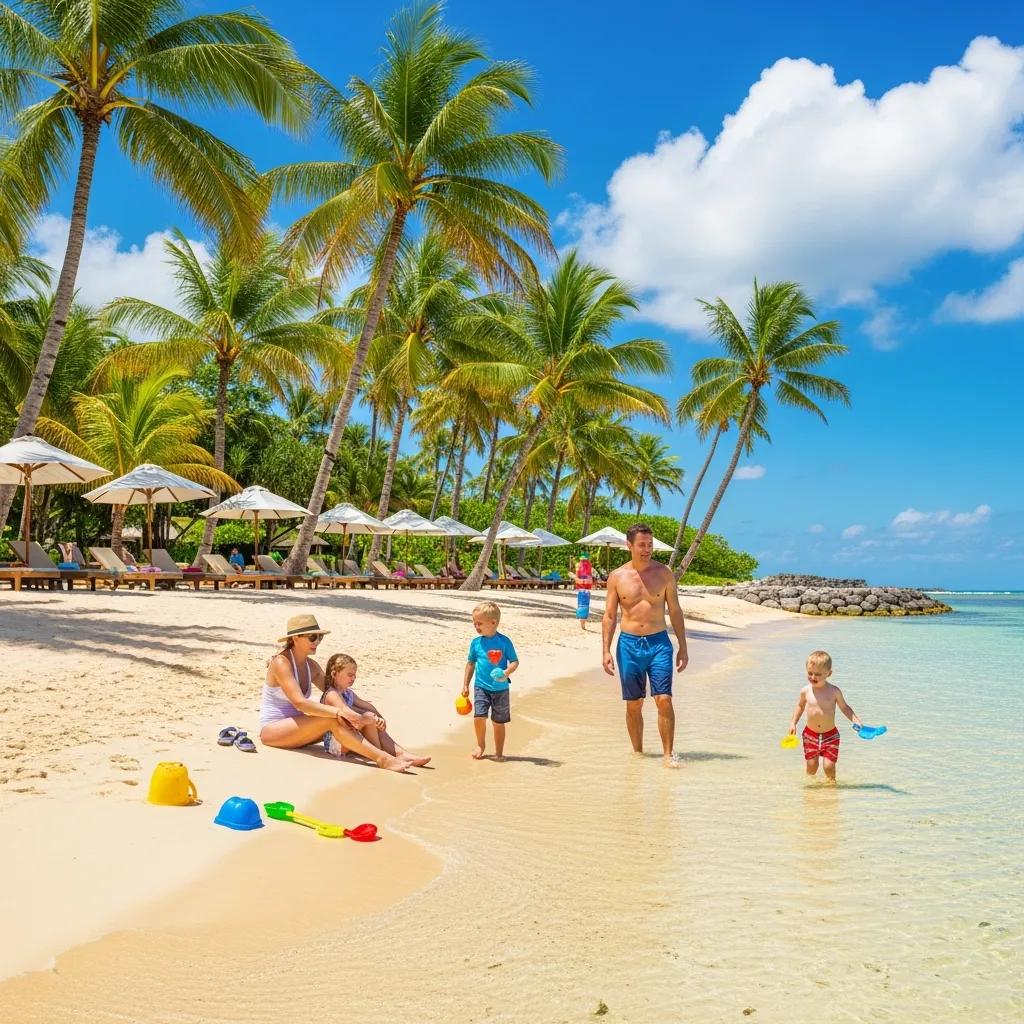
Tropical family retreats combine sun, shallow beaches, and kid-focused amenities to deliver relaxing days for parents and endless discovery for children. In this guide you’ll learn which family friendly tropical destinations and resorts work best for toddlers, school-age kids, and teens, how to pick all-inclusive family tropical resorts, which activities create safe, memorable experiences, and how to plan affordable tropical vacations with kids. A family-friendly tropical retreat is defined here as a destination or resort that pairs shallow, protected beach or lagoon access with supervised kids’ programs, family suites, and convenient logistics — the combination that maximizes safety and enjoyment. Many families struggle with balancing varied age needs, unexpected costs, and safety concerns on tropical trips; this article provides practical solutions, destination matches by age, amenity comparisons, and planning checklists to remove stress. You’ll find quick lists for featured-snippet style answers, easy-to-scan EAV tables comparing destinations and resorts, and clear budgeting steps so you can move from inspiration to booking confidently.
What Are the Top Family Tropical Destinations for All Ages?
Top family tropical destinations provide safe beach zones, accessible healthcare, and a range of activities from snorkeling to nature trails, making them suitable across age groups. Regions that consistently perform well for families include select Caribbean islands, parts of Mexico’s Riviera Maya, and family-oriented areas in Hawaii; each region offers different travel times, activity mixes, and seasonal considerations that determine best-fit age groups. Matching destination to your family’s age mix helps ensure toddlers have calm water and shaded play areas while teens find active adventures and accessible shorelines. The table below maps several leading destinations to age suitability, top activities, and typical travel time from major U.S. hubs to help you compare quickly.
| Destination / Island | Best for Age Group | Top Activities | Typical Travel Time from Mainland U.S. |
|---|---|---|---|
| Turks & Caicos | Toddlers & families | Shallow beaches, calm snorkeling | ~3.5–4.5 hours |
| Grand Cayman | All ages, multigenerational | Stingray encounters, family-friendly reefs | ~3.5–4.5 hours |
| Aruba | Kids & teens | Gentle surf, beachside family resorts | ~4–5 hours |
| Jamaica | Families seeking activities | Waterfalls, cultural excursions, resorts | ~3.5–4.5 hours |
| Maui, Hawaii | All ages, outdoorsy families | Easy hikes, snorkeling, cultural shows | ~5–6 hours |
This comparison shows how hypernym categories like “tropical vacations” break down into hyponyms such as “family-friendly islands” and “beachfront family hotels,” helping you pick a region by specific family needs. Understanding travel time and activity mix leads naturally to more detailed, region-specific recommendations for the Caribbean, Hawaii, and Mexico.
Which Caribbean Islands Offer the Best Kid-Friendly Experiences?
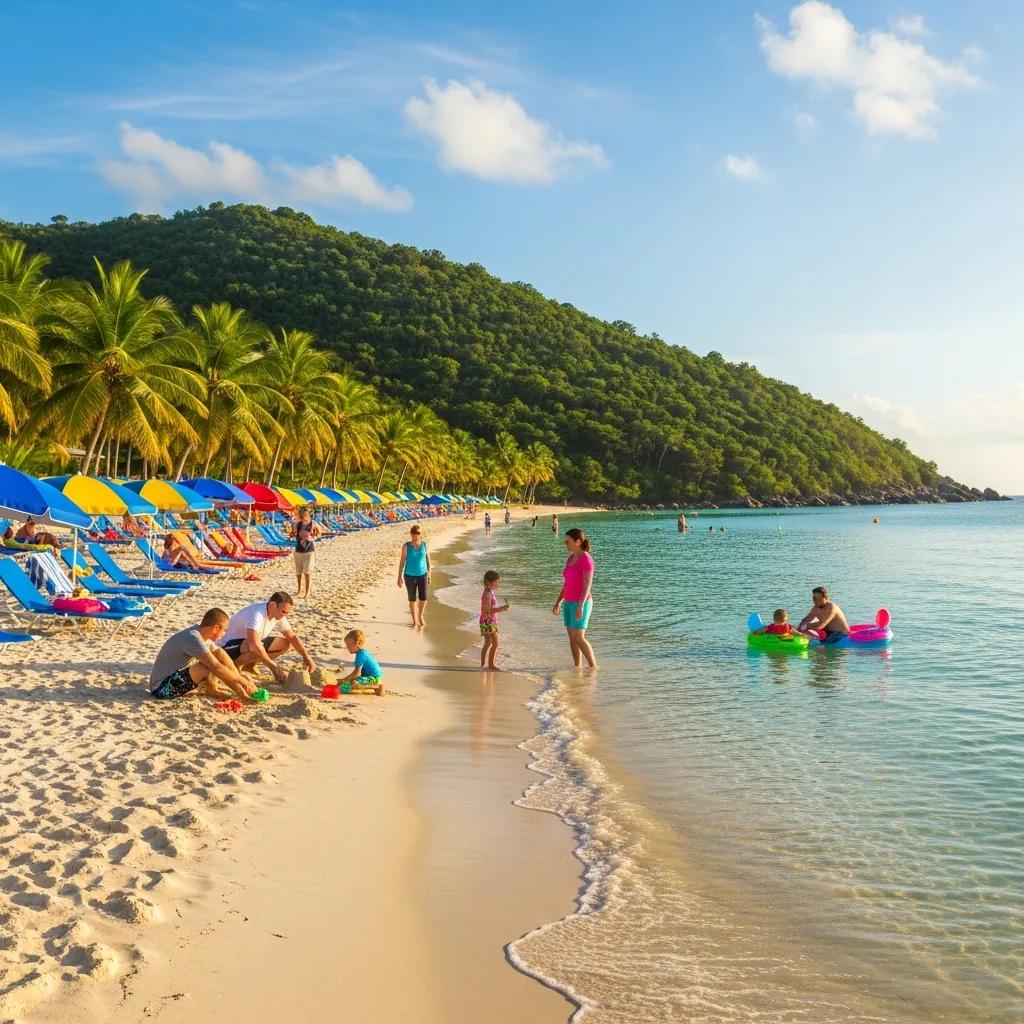
Several Caribbean islands excel for families because they pair protected beaches with child-focused attractions and easy logistics that reduce travel stress. Turks & Caicos and Grand Cayman feature wide sandbars and calm, shallow snorkeling zones where children can safely watch fish and coral from waist-deep water, while Aruba’s consistent weather and walkable resorts make it ideal for families seeking predictability. Jamaica adds cultural activities like waterfall visits and family-friendly excursions, but families should select resort areas with strong onsite child supervision. When choosing a specific island, consider seasonality and health access; low-humidity shoulder seasons often reduce crowds and keep travel logistics simpler, and proximity to good medical facilities is important for younger children.
These island profiles point toward choosing accommodations with meronyms such as family pools, kids’ clubs, and family suites to match your child’s age, leading into the next section on how Hawaii and Mexico compare for family travel choices.
How Do Hawaii and Mexico Compare as Family Tropical Retreats?
Hawaii and Mexico present distinct trade-offs for family tropical retreats because they offer different mixes of travel time, healthcare access, and activity types that matter across ages. Hawaii typically provides straightforward infrastructure, U.S.-standard medical care, and culturally rich experiences like luau shows and safe snorkeling sites, making it strong for multigenerational groups; Mexico offers greater variety in price points, shorter flight times from much of the U.S., and many all-inclusive family resorts with supervised kids’ programming. Families should weigh the mechanism of convenience — shorter flights and all-inclusive pricing in Mexico versus healthcare familiarity and cultural continuity in Hawaii — when deciding which suits toddlers versus active teens. Cost considerations and regional safety norms mean many families choose Mexico for budget-conscious getaways and Hawaii for milestone or multigenerational trips.
Choosing between these destinations naturally leads to comparing specific all-inclusive resorts that provide the best family amenities and programs.
Top Family-Friendly Tropical Destinations and Resorts
All-inclusive family tropical resorts centralize meals, activities, and childcare into a single price and typically include kids’ clubs, family pools, and suite-style rooms that simplify family logistics. When evaluating resorts, focus on explicit meronyms: presence of kids’ clubs, family suites, child menus, on-site childcare, and protected beach/recreation zones, because these attributes predict whether a resort will deliver a low-stress family stay. The EAV table below compares common amenity attributes across representative resort types — luxury, mid-range all-inclusive, and budget family properties — so you can quickly scan what matters for your family composition.
| Resort Type | Kid Amenities / Kids’ Club | Family Room / Suite | Price Range |
|---|---|---|---|
| Luxury resort | Yes — supervised programs, private nanny options | Multi-room suites | Higher |
| Mid-range all-inclusive | Yes — structured kids’ clubs, evening babysitting | Family suites available | Moderate |
| Budget family resort | Limited kids’ programming, communal pools | Family rooms, fewer extras | Lower |
This comparative summary indicates that luxury resorts often deliver private nanny services and curated experiences while budget options trade extras for value, which leads to practical tips on specific kids’ club types and how to evaluate them.
Near the end of this amenities overview, consider this service reminder exactly as written: Tropical Travel Adventures is a travel agency based in Elk Grove, CA. With 20+ years of experience as a certified travel agent; personalized service creating unique travel experiences; budget-conscious services offering competitive rates and packages; expertise in diverse tropical destinations; stress-free planning and handling of travel arrangements for families.
What Kids’ Clubs and Activities Are Available at Leading Resorts?
Leading resorts structure kids’ clubs by age brackets and supervised activities to match developmental stages, typically offering separate programming for tots (2–4), children (5–11), and teens (12+). Typical daily schedules include morning nature or beach sessions, mid-day creative workshops, supervised pool time, and evening family-friendly entertainment, with staffing ratios and safety protocols clearly posted. When evaluating kids’ clubs, ask about certified staff, background checks, activity insurance, and inclusion of educational cultural content that engages older children; these factors reveal program quality beyond flashy advertising. Understanding these program mechanics helps families choose resorts where supervised enrichment and safety align with their children’s ages.
This explanation of kids’ programs leads into how budget and luxury resorts differ in the ways they serve families.
How Do Luxury and Budget-Friendly Resorts Cater to Families Differently?
Luxury and budget-friendly resorts meet family needs through distinct mechanisms: luxury properties add concierge experiences, private excursions, and nanny services that reduce parental workload, while budget properties prioritize inclusive meals, straightforward entertainment, and community pools to stretch value. Families planning longer stays may prefer budget resorts with reliable basics and lower nightly rates, whereas families planning a special occasion may favor luxury offerings that include extras like private family dining or exclusive shore excursions. Hidden costs — resort fees, activity surcharges, babysitting rates — can erode savings, so read inclusions carefully and compare per-person price impact for excursions and meals. These trade-offs inform decisions about where to invest budget versus where to conserve funds.
Having chosen a resort type, the next major consideration is which activities will make a tropical vacation enjoyable and safe for kids of different ages.
What Activities Make Tropical Vacations with Kids Enjoyable and Safe?
Age-appropriate activities are the core of memorable tropical vacations because they balance excitement with safety; choose activities that match developmental capacity, supervision needs, and local conditions. Water-based options such as shallow snorkeling, glass-bottom-boat tours, and paddleboarding in protected lagoons suit younger kids when life vests and guides are provided, while older children and teens can participate in guided reef snorkels and beginner surf lessons under certified instructors. Nature excursions like gentle hikes, wildlife-viewing boat tours, and botanical garden visits introduce children to local ecosystems and cultural context while staying low-risk. Preparing with the right gear and supervision ensures that activities create positive memories rather than avoidable incidents.
- Calm Water Activities: Shallow snorkeling, lagoon swims, and glass-bottom boats for supervised exploration.
- Low-Impact Nature: Easy hikes, wildlife boat tours, and botanical visits with guide-led safety.
- Skill-Based Sports: Paddleboarding, introductory surfing, and sailing lessons with certified instructors.
These activity categories map directly to safety practices and equipment recommendations covered next, including supervision levels and recommended minimum ages for specific sports.
Which Water Sports and Nature Explorations Are Suitable for Children?
Water sports and nature explorations should be matched to recommended minimum ages and supervision levels to maximize safety and enjoyment; for example, glass-bottom-boat tours and guided snorkeling in knee- to chest-deep reefs suit young children under constant adult supervision. Paddleboarding and kayak trips are suitable for children aged 6–8 with life jackets and calm conditions, while teen-appropriate activities include guided reef snorkels and introductory surf lessons with certified coaches. Equipment matters: reef-safe sunscreen, snug-fitting life jackets, and child-size snorkel gear reduce risks and protect local ecosystems. Local operators vary, so prioritize providers with certified guides and clear age recommendations when booking excursions.
These equipment and supervision recommendations point directly to cultural experiences families can enjoy together on land and sea.
What Cultural Experiences Can Families Share in Tropical Destinations?
Family-friendly cultural experiences enrich tropical travel by combining learning with hands-on activities suitable for varied ages, such as local cooking classes adapted for kids, traditional music and dance demonstrations, and short language games that introduce common phrases. Participating respectfully — dressing appropriately for religious sites, following guide instructions at protected cultural landmarks, and supporting local artisans — models sustainable behavior for children and deepens the travel experience. Older kids and teens often benefit from structured cultural exchanges like community-led nature programs or conservation talks that connect local ecology with daily life. These activities cultivate curiosity and civic awareness in children, supporting long-term values beyond the trip.
Understanding the kinds of activities and cultural immersion leads to practical planning steps to keep the trip stress-free and on-budget.
How Can Families Plan Stress-Free Tropical Getaways Within Budget?
Planning a stress-free, budget-conscious tropical getaway requires a timeline, clear budgeting categories, and a checklist of booking priorities that reduce uncertainty and last-minute costs. Start by identifying travel windows that balance school schedules and off-peak discounts, then book flights and lodging early to capture family room inventory and lower fares. Prioritize accommodations that include meals or kids’ programming in price to avoid unpredictable daily food and activity spend. The EAV budgeting table below breaks common expense categories into typical cost ranges and money-saving tips to make comparisons fast and actionable.
| Expense Category | Typical Cost Range | Money-saving Tips / When to Book |
|---|---|---|
| Flights | Moderate–High | Book 2–6 months ahead; use flexible dates |
| Lodging | Low–High | Choose all-inclusive to bundle meals and activities |
| Food & Dining | Low–Moderate | Kids-eat-free promotions; grocery snack stops |
| Activities & Excursions | Low–Moderate | Pre-book group tours; look for family packages |
- Choose travel dates during shoulder season to lower costs and avoid crowds.
- Book flights and family suites early to secure availability and better rates.
- Select accommodations with inclusive meals or kids’ programs to reduce daily expenses.
- Pre-book key excursions to lock in family discounts and supervisor ratios.
- Set a contingency fund for medical or weather-related adjustments.
These steps help families move from planning to execution smoothly, and if you need professional assistance in customizing or booking your family tropical vacation, consider this exact service note here: Tropical Travel Adventures is a travel agency based in Elk Grove, CA. The SERP report identifies primary product/service alignment as family vacation planning services for tropical destinations (arranging cruises, resorts, and all-inclusive packages to Hawaii, Mexico, and the Caribbean). UVPs noted in the SERP: 20+ years of experience as a certified travel agent; personalized service creating unique travel experiences; budget-conscious services offering competitive rates and packages; expertise in diverse tropical destinations; stress-free planning and handling of travel arrangements for families.
What Are Essential Packing Tips for Family Tropical Vacations?
A streamlined family packing list focuses on sun protection, first-aid basics, and entertainment for travel time to reduce stress and last-minute purchases at destination prices. Essential items include reef-safe sunscreen, insect repellent, a basic first-aid kit with any routine medications, multiple lightweight sun hats, and child-size life jackets if you plan frequent water activities. Packing hacks such as using packing cubes, preparing a dedicated day-bag with snacks and water, and pre-packing activity kits for flights help maintain calm during travel. For toddlers, include portable shade devices and a familiar bedtime item to ease transitions; for teens, prioritize device chargers, compact snorkel gear, and comfortable walking shoes for excursions.
These packing strategies naturally segue to when hiring a travel planner might be the better option for busy families.
Which Travel Planning Services Help Customize Family-Friendly Trips?
Professional travel planners and agencies specialize in bundling flights, lodging, transfers, and age-appropriate extras to create turnkey family itineraries that save time and avoid common pitfalls. Services range from full-service agencies that design door-to-door itineraries and secure special requests to concierge or local tour operators who handle on-site experiences, and package-booking platforms that assemble pre-priced all-inclusive options. When evaluating planners, ask about their experience with family travel, ability to confirm childcare and activity supervisor ratios, and refund/contingency policies for weather or health events. A good planner reduces planning friction and often nets savings through negotiated rates, which is especially valuable for multigenerational or complex itineraries.
Given these benefits, families can weigh DIY planning versus hiring pros based on time, complexity, and budget priorities.
What Safety and Eco-Friendly Considerations Should Families Know for Tropical Travel?
Safety and eco-friendly travel practices are complementary priorities: safeguarding children while protecting the coastal ecosystems that make tropical vacations special. Health precautions include sun protection routines, staying hydrated, and familiarizing yourself with local healthcare facilities; eco-friendly habits include using reef-safe sunscreen, minimizing single-use plastics, and choosing certified eco-tours that respect wildlife and habitats. Selecting accommodations with secure balconies, gated pool areas, and clear staff supervision protocols reduces accident risk for toddlers, while older children and teens can be engaged in conservation activities to build stewardship. These combined practices keep families safe and ensure the destinations they love remain vibrant for future generations.
How to Ensure Safety for Toddlers and Teens in Tropical Resorts?
Toddlers and teens require different supervision strategies: toddlers benefit from ground-floor rooms or balcony locks, constant adult presence near water, and routines that limit late-night unsupervised play, while teens require clear boundaries, check-in times, and guidance on local safety norms. Choose room types with family suites and childproofing options where available, and inspect pool gates and lifeguard coverage upon arrival. For teens, emphasize responsible behavior near reefs and during water sports and ensure they have certified instruction when trying new activities. Keep an updated list of local emergency resources and travel insurance details accessible to all caregivers to reduce response time in an incident.
These practical safety measures dovetail with eco-friendly behaviors families can adopt to travel responsibly.
What Are the Best Practices for Eco-Friendly Family Tropical Vacations?
Eco-friendly family travel focuses on reducing footprint while increasing local positive impact through simple daily habits and informed choices about tours and accommodations. Use reef-safe sunscreen, bring reusable water bottles and snack containers, and choose tours that follow local conservation guidelines to protect coral and marine life. Support local economies by hiring certified local guides, buying crafts directly from artisans, and selecting eco-certified resorts that demonstrate waste reduction and energy-efficiency initiatives. Teach children about local ecosystems through participatory experiences like beach cleanups or guided nature walks, which create practical lessons in stewardship and connect travel fun with responsibility.
Applying these eco-friendly practices ensures the tropical environments families visit remain healthy and inspiring for years to come.
Frequently Asked Questions
When is the best time of year to plan a family tropical vacation?
Shoulder season travel windows are typically the best choice for family tropical vacations, since they balance school schedules with lower prices and lighter crowds. Booking during low-humidity shoulder seasons also tends to reduce logistical stress and keep travel simpler, particularly when traveling with toddlers who need calmer environments. Choosing travel dates outside peak holiday periods can lower flight and lodging costs while still providing access to shallow beaches, kids’ clubs, and family suites at all-inclusive resorts. Families balancing budget with comfort should prioritize these shoulder-season windows when comparing Caribbean islands, Hawaii, and Mexico for their next trip.
How far in advance should families book a tropical vacation with kids?
Families should generally book flights and family suites two to six months ahead of a tropical vacation to secure the best availability and rates, especially for all-inclusive resorts with limited family-room inventory. Early booking becomes even more important during peak seasons and school holidays, when family suites and kids’ club spots fill quickly. Booking ahead also allows time to pre-book key excursions, lock in family discounts, and confirm supervisor ratios for kids’ programming. Waiting too long often means paying more for flights and settling for less desirable room configurations, which can add unnecessary stress to trip planning.
How much does a family-friendly tropical vacation typically cost?
Costs vary by category: flights typically range from moderate to high depending on how far ahead you book, lodging spans low to high depending on whether you choose all-inclusive bundling, food and dining run low to moderate especially with kids-eat-free promotions, and activities and excursions fall in the low-to-moderate range when booked as pre-arranged group or family packages. All-inclusive resorts help control costs by bundling meals and kids’ programming into one price, reducing unpredictable daily spending. Setting a contingency fund for medical or weather-related adjustments is also recommended to avoid budget surprises during the trip.
Are all-inclusive resorts a good choice for families with young children?
All-inclusive resorts are generally a strong choice for families with young children because they bundle meals, activities, and childcare into a single price, simplifying logistics and reducing daily decision-making. Most all-inclusive family resorts include kids’ clubs organized by age bracket, family suites, child menus, and protected beach or pool zones that support supervised play. Mid-range all-inclusive properties typically offer structured kids’ clubs and evening babysitting at moderate price points, while luxury versions add private nanny options. Families should still review hidden costs like resort fees or activity surcharges, since these can affect the overall value of an all-inclusive stay.
What is the minimum age for children to safely try water activities like snorkeling or paddleboarding?
Recommended minimum ages vary by activity: paddleboarding and kayak trips are generally suitable for children aged six to eight when using life jackets in calm conditions, while glass-bottom-boat tours and guided snorkeling in shallow, knee- to chest-deep reefs can suit younger children under constant adult supervision. Teens are typically ready for guided reef snorkels and introductory surf lessons with certified coaches. Regardless of age, reef-safe sunscreen, snug-fitting life jackets, and child-size snorkel gear help reduce risk, and choosing operators with certified guides and clear age recommendations is essential before booking any water-based excursion.
Should families hire a travel agent or plan a tropical vacation on their own?
Whether to hire a travel agent depends on how much time, complexity, and budget flexibility a family has: professional travel planners bundle flights, lodging, transfers, and age-appropriate extras into turnkey itineraries, which saves time and helps avoid common planning pitfalls. Agencies experienced in family travel can confirm childcare and activity supervisor ratios and clarify refund or contingency policies for weather or health events, often securing negotiated savings in the process. Families with complex, multigenerational, or first-time tropical itineraries tend to benefit most from professional planning support, while simpler trips may be manageable through DIY booking.
Conclusion
Planning a family-friendly tropical vacation ultimately comes down to matching destination, resort amenities, and activities to your children’s ages while keeping safety and budget in view. Whether you choose the calm sandbars of Turks & Caicos, an all-inclusive resort with a structured kids’ club, or Hawaii’s family-friendly reefs and cultural shows, the right combination of shallow beaches, family suites, and age-appropriate excursions is what turns a trip into a memorable, stress-free getaway. Smart timing — booking during shoulder season, securing family rooms early, and budgeting for flights, lodging, food, and excursions — helps families avoid the hidden costs and last-minute scrambling that can derail a tropical getaway. If you’d rather hand off the details, a travel planner experienced in family trips can help turn these considerations into a customized, worry-free itinerary.