

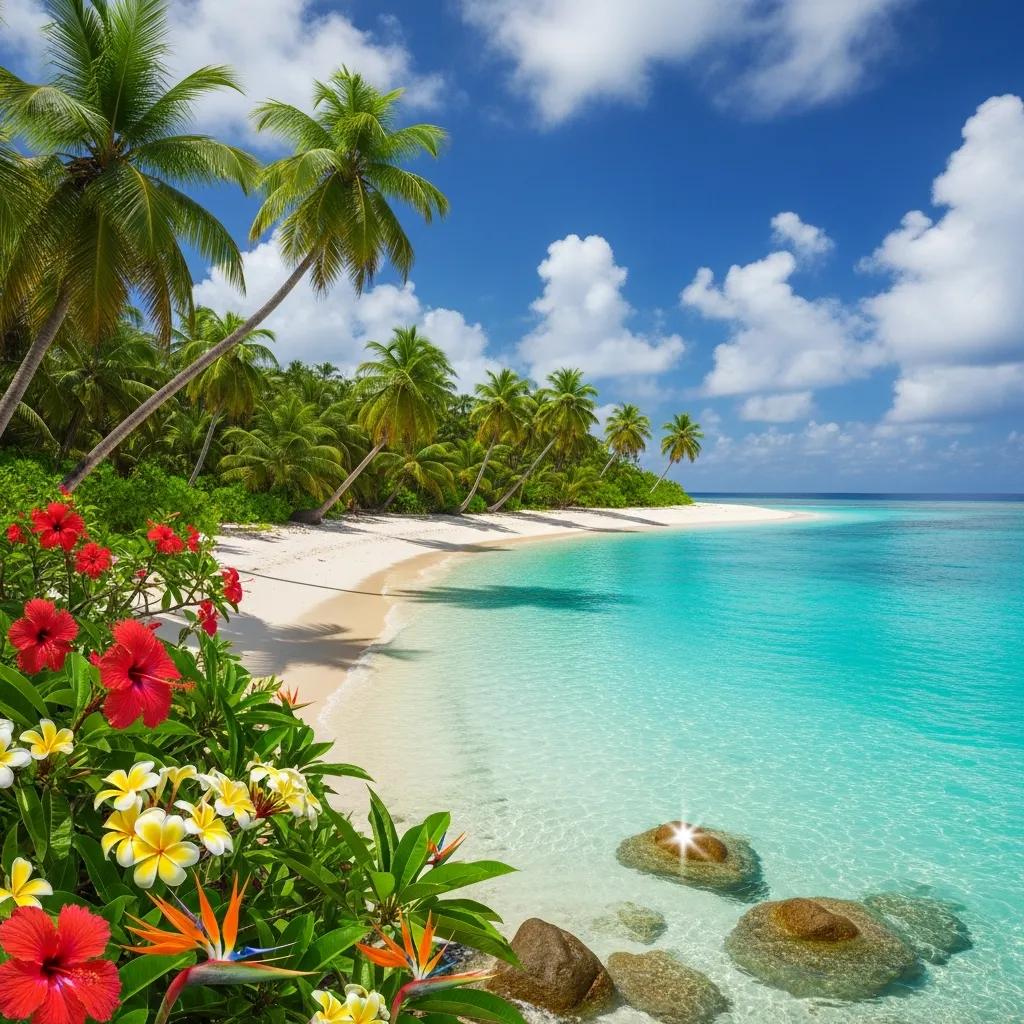
Discover Hidden Tropical Vacation Gems You Must Explore: Your Guide to Unique and Secluded Tropical Islands
Hidden tropical gems are islands that combine dramatic natural features, low tourist density, and authentic local culture to deliver unusually private and memorable escapes. This guide explains what makes an island a hidden gem, showcases standout underrated destinations across the Caribbean, Southeast Asia, and the South Pacific, and provides practical planning advice for responsible, eco-minded travelers. Many visitors struggle to find places that escape crowds yet still offer safe access, meaningful activities, and conservation-minded stays; this article solves that by matching island attributes to traveler priorities and logistics. You will learn how to identify lesser-known paradises, what to pack, when to visit for optimal weather and wildlife viewing, and how to plan an eco-adventure that supports local communities. The sections below walk through defining characteristics, curated island profiles with quick-comparison tables, activity suggestions, sustainable travel checklists, and seasonality tips so you can plan a confident off-the-beaten-path tropical trip.
What Defines a Hidden Tropical Gem? Understanding Secluded and Underrated Destinations
A hidden tropical gem is defined by limited development, rich biodiversity, and an authentic local culture that remains largely intact, which together create seclusion and high experiential value. These places often require extra effort to reach—longer boat rides, regional flights, or flexible itineraries—but the payoff is solitude, unique wildlife encounters, and community-driven tourism that benefits residents. Travelers value these destinations for privacy, lower crowd impact, and deeper cultural exchange, and the following attributes help identify them for planning purposes. Recognizing those traits informs where to look and what to prioritize when comparing options, and the examples that follow show how those attributes play out in real island settings.
What Makes a Tropical Island a 'Hidden Gem'?
A tropical island earns the “hidden gem” label when accessibility is limited, natural systems remain intact, and tourism infrastructure emphasizes small-scale, locally run experiences rather than mass-market resorts. Limited daily arrivals or restricted boat schedules are common markers, as are protected coral reefs, endemic species, and community-led accommodation options that prioritize conservation. Such islands typically trade full-service luxury for authenticity—think rustic eco-lodges, locally guided hikes, and village-hosted cultural visits. Use this mini-checklist to spot a hidden gem: low tourist density, protected ecosystems, community-based tourism, and limited transfer options; these indicators point directly to the types of experiences described in the next section.
Why Choose Off-The-Beaten-Path Tropical Vacations for Authentic Experiences?
Choosing off-the-beaten-path tropical vacations yields tangible benefits: deeper cultural exchange, reduced crowd stress, and a more meaningful contribution to local economies when travel is responsible. Smaller visitor numbers often mean better wildlife viewing, less pressure on reefs and trails, and opportunities to participate in conservation or cultural programs led by residents. Additionally, solitude supports wellness—quiet beaches, uncrowded trails, and slow-paced island routines help travelers decompress and notice subtler natural phenomena. These advantages lead naturally into practical selection criteria and sustainable behaviors you should adopt when planning an eco-minded trip to the best tropical destinations.
- Key attributes to evaluate when choosing a hidden island: Low daily visitor numbers and limited transfer options.Protected or regenerating ecosystems and active conservation efforts.Local or community-operated accommodations and tours.
This list helps you prioritize destinations that align with ethical travel and authentic experiences; next, we compare specific Caribbean options to illustrate those choices.
Which Are the Top Underrated Caribbean Islands to Explore?
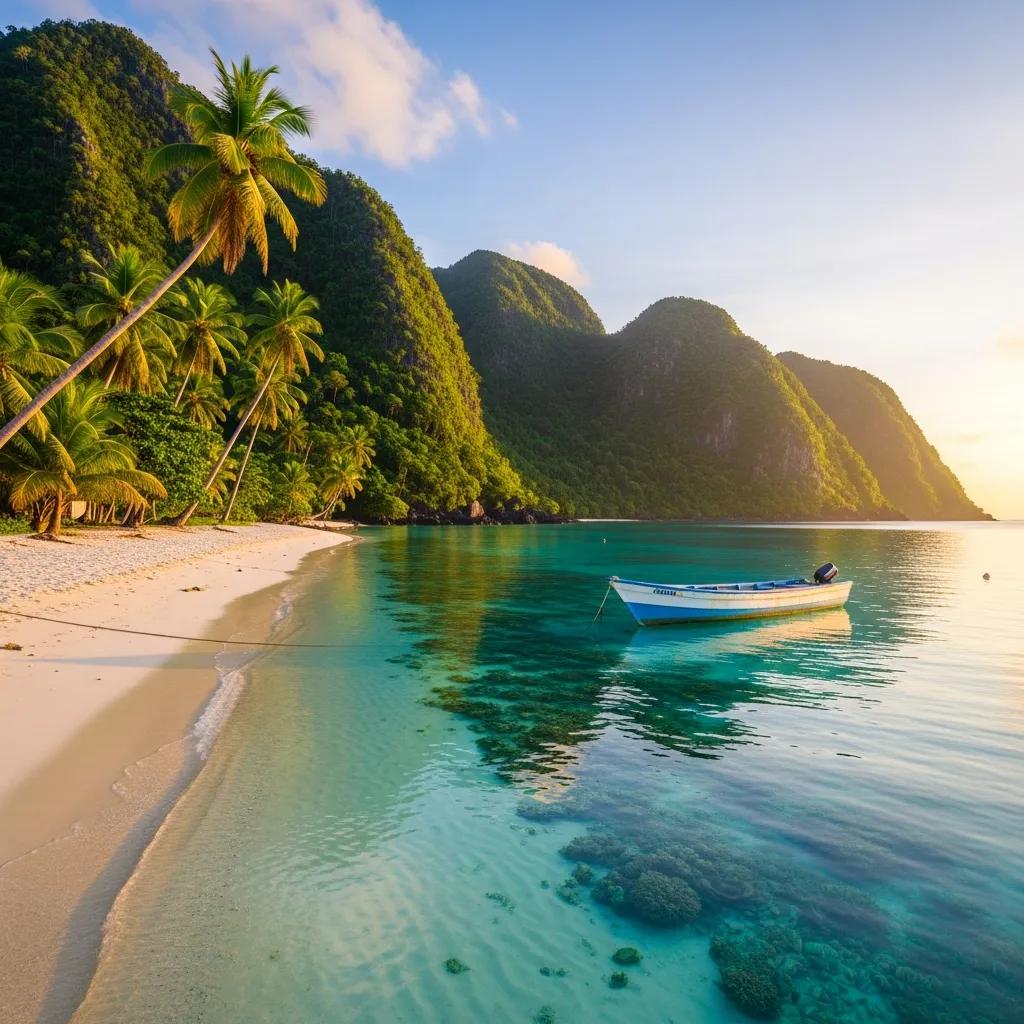
Underrated Caribbean islands deliver lush rainforests, volcanic landscapes, and uncrowded shorelines for travelers seeking nature-focused, low-key vacations. These islands favor small-scale tourism: guides are often community members, lodging emphasizes eco-lodges or family-run guesthouses, and activities center on hiking, waterfall exploration, and snorkeling healthy reefs. Understanding how each island differentiates itself by USP and access helps you match priorities—adventure hiking, cultural immersion, or serene beaches—so the table below summarizes logistics and timing for quick selection. Use these notes to narrow your shortlist before booking transport and guides.
Intro to comparison table: The table below highlights three Caribbean options showing the core appeal, best seasonal window, and common access routes so you can choose based on interest and travel ease.
| Destination | Key Feature | Best Time to Visit | How to Get There |
|---|---|---|---|
| Dominica | Wild rainforests, waterfalls, volcanic terrain | December–April for hiking and dry trails | Regional flights to Douglas-Charles Airport (DOM) plus short transfers; local guides recommended |
| San Blas Islands | Archipelago with coral cays and Guna cultural visits | January–April for calm seas and sunny weather | Boat charters from mainland Panama (Cartí or Puerto Lindo) and regional transfers |
| The Grenadines | Quiet beaches and sailing itineraries | December–April for steady trade winds | Regional flights to nearby hubs (e.g., St. Vincent or Barbados), followed by boat transfers |
This comparison highlights practical trade-offs: Dominica is inland-adventure focused, San Blas emphasizes island-hopping with cultural engagement, and the Grenadines offer sailing and beach privacy. Refer to the Dominica and San Blas profiles below for activity-specific recommendations and respectful engagement tips.
What Unique Attractions Does Dominica Offer for Nature Lovers?
Dominica is prized for dramatic natural features—extensive rainforest, towering waterfalls, and geothermal sites like boiling springs—that reward hikers and canyoning enthusiasts with intimate wilderness encounters. The island’s national parks and trail systems concentrate biodiversity and offer guided hikes to iconic sites, where local naturalist guides enhance interpretation of endemic flora and fauna. Visitors should plan for rugged terrain and variable weather, hire reputable guides for safety on river trails, and prioritize leave-no-trace behavior to protect fragile habitats. Logistics favor island-hopping travelers who allow extra time for transfers, as reaching remote valleys often requires flexible schedules and local transport coordination.
How to Experience Seclusion and Culture in the San Blas Islands?
The San Blas Islands offer island-hopping between palm-fringed cays, direct cultural exchange with Guna communities, and snorkeling over vibrant reefs in small-group settings that preserve privacy. Respectful engagement is essential: follow community rules about photography and purchases, support Guna-run accommodations or guided experiences, and avoid bringing single-use plastics that stress local waste systems. Boat logistics typically involve chartering from mainland Panama or booking community-hosted tours; scheduling with local operators ensures you access quieter motus away from popular pick-up points. Opting for short multi-day island circuits balances cultural immersion and reef exploration while limiting environmental footprint.
Where to Find Secluded Tropical Paradises in Southeast Asia?
Southeast Asia hides several compact islands where clear water, coral gardens, and quiet beaches coexist with modest infrastructure—a boon for snorkelers and divers who prize biodiversity and low crowding. These paradises often require a ferry or regional flight from a larger hub, and once arrived, local operators run small boat trips and community-style stays that prioritize environmental care. Choosing the right island depends on desired activities: snorkel-rich bays, coastal trekking, or slow-paced beach life; the following subsections profile Koh Lipe and Palawan to illustrate activity mixes and access considerations.
Intro to SEA table: This table summarizes activity focus, recommended accommodation types, and typical accessibility so you can align island choice with your preferred travel style.
| Island | Primary Activities | Recommended Accommodation Type | Accessibility (ferries/planes) |
|---|---|---|---|
| Koh Lipe | Snorkeling, diving, relaxed beach days | Small beachfront bungalows or guesthouses | Ferries from Langkawi (Malaysia) and nearby Thai ports (Pak Bara) |
| Palawan (lesser-known spots) | Lagoons, cave systems, island-hopping | Eco-lodges and small boat charters | Regional flights to Puerto Princesa or El Nido then boat transfers |
| Nusa Lembongan | Day dives, surf-adjacent snorkeling | Family-run hostels and boutique cottages | Short boat rides from Bali hubs (Denpasar/Sanur) |
This summary helps match activity preferences to feasible transfers and accommodation types, setting expectations for comfort levels and travel complexity as you plan the next steps.
What Activities Await on Koh Lipe, Thailand's Hidden Gem?
Koh Lipe delivers excellent snorkeling directly off sandy beaches and access to nearby reefs with high fish diversity, making it ideal for day trips and shallow water exploration. Divers can arrange local day trips to nearby dive sites, while beachgoers enjoy quiet coves and low-key evening markets that showcase regional cuisine and crafts. Given small island infrastructure, travelers should carry essentials and expect simple amenities; choosing locally run outfitters supports the small-scale economy and helps maintain reef health through responsible operators. Plan transfers with buffer time for weather-dependent ferries, and consider weekday stays if you seek maximal solitude.
How Does Palawan Offer a Unique Tropical Adventure Beyond the Usual?
Palawan’s karst limestone islands and secret lagoons provide visually stunning backdrops for kayaking, cave exploration, and guided snorkeling that steps away from busy tourism hubs. Beyond El Nido and Coron, smaller coves and less-visited islands open up for private charters and conservation-minded operators who limit daily visitor numbers. Accessing these lesser spots often requires arranging boat charters and permits through reputable local providers and allowing flexible itineraries for weather or permit windows. Selecting eco-lodges that contribute to reef monitoring or mangrove restoration amplifies conservation impact while offering authentic island experiences. Additionally, Palawan is recognized as one of the best tropical vacation destinations.
What Are the Best Hidden Gems of the South Pacific for Tropical Getaways?
The South Pacific features islands where turquoise lagoons, coral atolls, and exceptional marine biodiversity combine to create romantic and biodiversity-focused escapes that feel remote and pristine. These destinations typically rely on limited airlift or inter-island boats, and tourism is often boutique in scale with small resorts or family-run bungalows. The islands below highlight romantic lagoon experiences and exceptional underwater life, and the profiles that follow explain why each site is special and how to approach planning for privacy and marine conservation engagement.
Intro table for South Pacific: The following table compares three South Pacific highlights with their primary appeal, recommended activities, and typical access so travelers can prioritize based on romance or biodiversity focus.
| Island | Primary Appeal | Recommended Activities | How to Get There |
|---|---|---|---|
| Aitutaki | Turquoise lagoon ideal for couples | Motu picnics, sunset cruises, snorkeling | Regional flights to Rarotonga (Cook Islands) then short transfers |
| Raja Ampat | World-class marine biodiversity | Scuba diving, snorkeling, liveaboards | Regional flights to Sorong (Indonesia) then boat transfers to the archipelago |
| Upolu (Samoa) | Cultural ceremonies and natural pools | Village cultural visits, waterfall hikes | Flights to Apia with road/boat transfers to quieter coasts |
This table clarifies which islands prioritize romance and seclusion versus biodiversity-driven diving, aiding decisions about travel time versus in-situ rewards.
Why Visit Aitutaki's Turquoise Lagoon for a Romantic Escape?
Aitutaki’s lagoon is notable for its shallow, clear waters, motu-fringed scenery, and opportunities for private beach experiences that make it ideal for couples seeking intimate moments. Romantic activities include private motu picnics, sunset cruises that trace the lagoon’s color gradient, and stays in small beach bungalows that emphasize privacy and unobstructed views. Because accommodations are boutique and visitor numbers are controlled by limited room inventories, booking ahead for preferred dates is essential. Combining lagoon time with gentle local excursions preserves the island’s quiet character and supports community-based tourism.
How Does Raja Ampat Stand Out as a Biodiversity Hotspot?
Raja Ampat is internationally renowned for marine species richness and coral diversity, offering divers and snorkelers a living laboratory of unusual reef structures and endemic fish species. Responsible visitation is vital: many operators require permits, follow strict no-take guidelines, and support local conservation initiatives that fund reef monitoring and community benefits. Liveaboard dive trips and guided snorkeling excursions concentrate on low-impact practices, and visitors are encouraged to choose operators that contribute to local marine reserves. Planning should include permit logistics and an awareness of seasonal sea conditions to maximize visibility and wildlife encounters.
How to Plan Your Eco-Adventure in Tropical Hidden Gems?
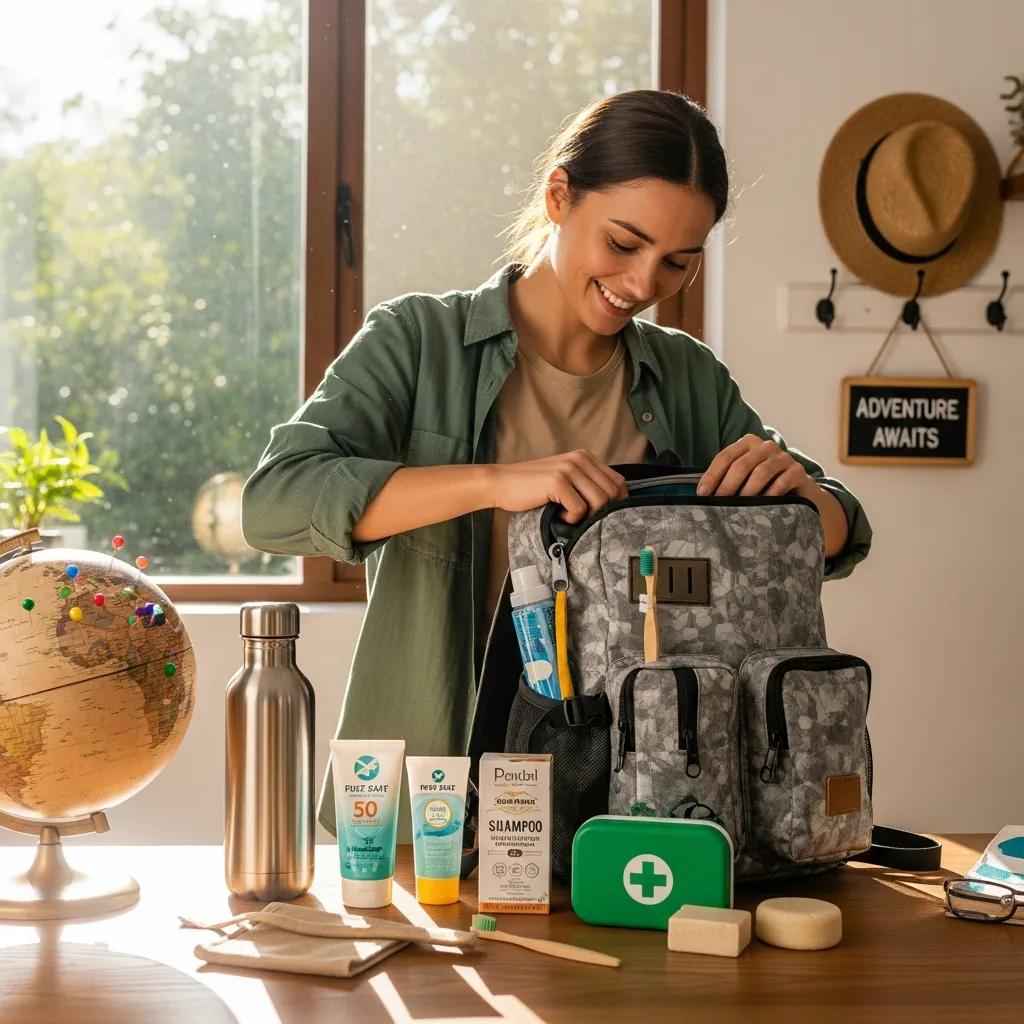
Planning an eco-adventure around hidden tropical gems means balancing access logistics, low-impact behavior, and accommodation choices that reinvest in local conservation and economies. Start by prioritizing destinations with community-based tourism or certified eco-operators, then arrange guides who practice sustainable wildlife viewing and reef-friendly boating. Packing appropriately for remote travel—including reef-safe sunscreen, water purification options, and basic medical supplies—reduces dependence on single-use items and supports self-sufficiency. The stepwise checklist below gives a practical planning sequence and the following subsection expands on sustainable behaviors and lodge selection to finalize responsible choices. For more information, visit tropical travel adventures.
For context on service options for planning and booking, note that travel site structures referenced in destination research commonly include sections for Services, Cruises, Resorts, Favorite Destinations, About Us, Blog, FAQs, and Contact Us. Use those site sections to find detailed itineraries, guided options, and operator credentials when vetting providers for eco-adventures.
- Research conservation practices: Verify community involvement and reserve protections before booking.
- Confirm transport logistics: Check ferry/charter windows and build buffer days into your itinerary.
- Choose small-group operators: Favor guides with low-capacity, low-impact offerings.
- Pack for self-sufficiency: Bring reef-safe sunscreen, a basic medical kit, and reusable supplies.
- Book accommodations that reinvest: Prefer lodges or guesthouses that employ locals and support conservation.
This checklist helps you operationalize sustainable travel commitments and transitions naturally to a deeper look at specific sustainable actions and accommodation vetting.
What Are the Best Sustainable Travel Practices for Visiting Secluded Islands?
Sustainable travel practices for secluded islands center on minimizing ecological footprint, supporting local livelihoods, and protecting sensitive habitats through simple behavioral choices. Core actions include using reef-safe sunscreen, limiting single-use plastics by carrying refillable bottles, hiring local guides to ensure equitable economic benefits, and following established trail and reef rules to avoid habitat disturbance. Real-world examples include participating in community beach cleanups where available and booking tours that contribute to marine reserve fees; both practices directly fund conservation and demonstrate respect for host communities. Adopting these behaviors improves visitor impact and strengthens local stewardship, which in turn preserves the experiences future travelers seek.
- Practical sustainable actions to adopt: Use reef-safe, biodegradable sunscreens and toiletries.Bring reusable water bottles and refuse single-use plastics.Hire local guides and pay entrance or conservation fees where required.
These practices protect ecosystems and enhance cultural exchange; next we cover how to spot and choose authentic eco-lodges that align with these principles.
How to Choose Eco-Lodges and Authentic Accommodations in Hidden Tropical Destinations?
Choosing an eco-lodge requires assessing certification or visible conservation actions, local ownership or employment, solid waste management practices, and water or energy-saving measures that reduce environmental impact. Look for lodges that disclose community benefit programs, source food locally, and limit room counts to reduce pressure on scarce resources; these traits often indicate genuine commitment rather than greenwashing. Expect trade-offs between luxury amenities and authentic, low-impact stays: simple comforts may replace expansive resort services, but the ecological and cultural value can be far greater. Booking during shoulder seasons can both lower pressure on peak periods and help you secure authentic rooms in community-run lodgings.
- Eco-lodge vetting checklist: Transparency: Clear conservation or community programs on display. Scale: Limited room numbers and small-group experiences. Practices: Waste reduction, local sourcing, and water/energy saving measures.
Applying this checklist narrows choices to accommodations that meaningfully support local ecosystems and economies, smoothing the transition into seasonal planning considerations.
When Is the Best Time to Visit Hidden Tropical Islands for Optimal Experience?
Seasonality determines access, weather windows, and activity quality across tropical regions; choosing the right months affects snorkeling visibility, hiking conditions, and the likelihood of weather-related closures. Generally, the dry season yields calmer seas and better visibility for diving, while shoulder seasons often balance fewer crowds with acceptable weather and lower prices. The table below gives region-level guidance on peak and low seasons and succinct weather considerations so you can plan travel windows around activities and risk tolerance.
| Region/Island | Peak Season | Low Season (benefits/risks) | Weather considerations |
|---|---|---|---|
| Caribbean (e.g., Dominica, Grenadines) | December–April | June–November (cheaper, hurricane risk) | Dry season best for hiking and diving; hurricane season can disrupt travel |
| Southeast Asia (e.g., Koh Lipe, Palawan) | November–April | May–October (monsoon impacts) | Monsoon months bring heavy rains and rough seas; visibility drops |
| South Pacific (e.g., Aitutaki, Raja Ampat) | May–October | November–April (wet season in some areas) | Regional variation—check local weather windows for dive visibility and lagoon calmness |
This reference clarifies trade-offs: peak windows favor activity quality and reliability, while low season can offer privacy with increased weather risk, which informs buffer days and travel insurance decisions.
How Does Seasonality Affect Travel to Underrated Tropical Destinations?
Seasonality affects more than weather; it alters ferry schedules, guide availability, permit windows, and wildlife presence, so aligning your priorities with seasonal patterns ensures you get the experiences you expect. For example, calm-water snorkeling and peak visibility often coincide with dry months, whereas some species migrations or nesting events may be seasonal and worth timing your visit for. Travel costs and lodging availability also fluctuate with seasonality, making shoulder months attractive for fewer crowds and lower rates while still offering reasonable weather. Build contingency days into itineraries for weather-dependent boat transfers, and confirm local operator schedules ahead of travel to reduce disruptions.
What Travel Tips Ensure a Stress-Free Off-The-Beaten-Path Vacation?
Practical travel tips for remote tropical islands focus on redundancy, local coordination, and health preparations that reduce stress when plans change. Always carry digital and printed copies of travel documents, notify local operators of arrival windows, and maintain communication buffers for delayed ferries or flights. Health-wise, consult travel medicine guidance for vaccinations and bring a small medical kit with essentials for wound care and basic antibiotics per professional advice. Cash availability can be limited on remote islands, so bring enough local currency and consider backup payment methods as appropriate; these logistics ensure smoother transitions between islands and a more relaxed experience once you arrive.
- Essential practical tips: Pack backup plans and allow extra transit time for ferry or charter delays.Carry a basic medical kit and research nearby healthcare options before travel.Bring sufficient local currency and confirm payment methods with accommodations.
These operational tips reduce stress and connect directly to earlier planning steps about buffer days and sustainable choices; they complete the practical toolbox for responsible island travel.
Conclusion
Exploring hidden tropical gems offers travelers unique experiences characterized by rich biodiversity, authentic local culture, and a chance to contribute to sustainable tourism. By prioritizing lesser-known islands, you can enjoy solitude, meaningful interactions, and breathtaking natural beauty while supporting local communities. Take the next step in planning your eco-adventure by reviewing our curated selection of off-the-beaten-path destinations. Discover the perfect hidden paradise that aligns with your travel aspirations today.