

Discovering Affordable Island Getaways: A Practical Guide
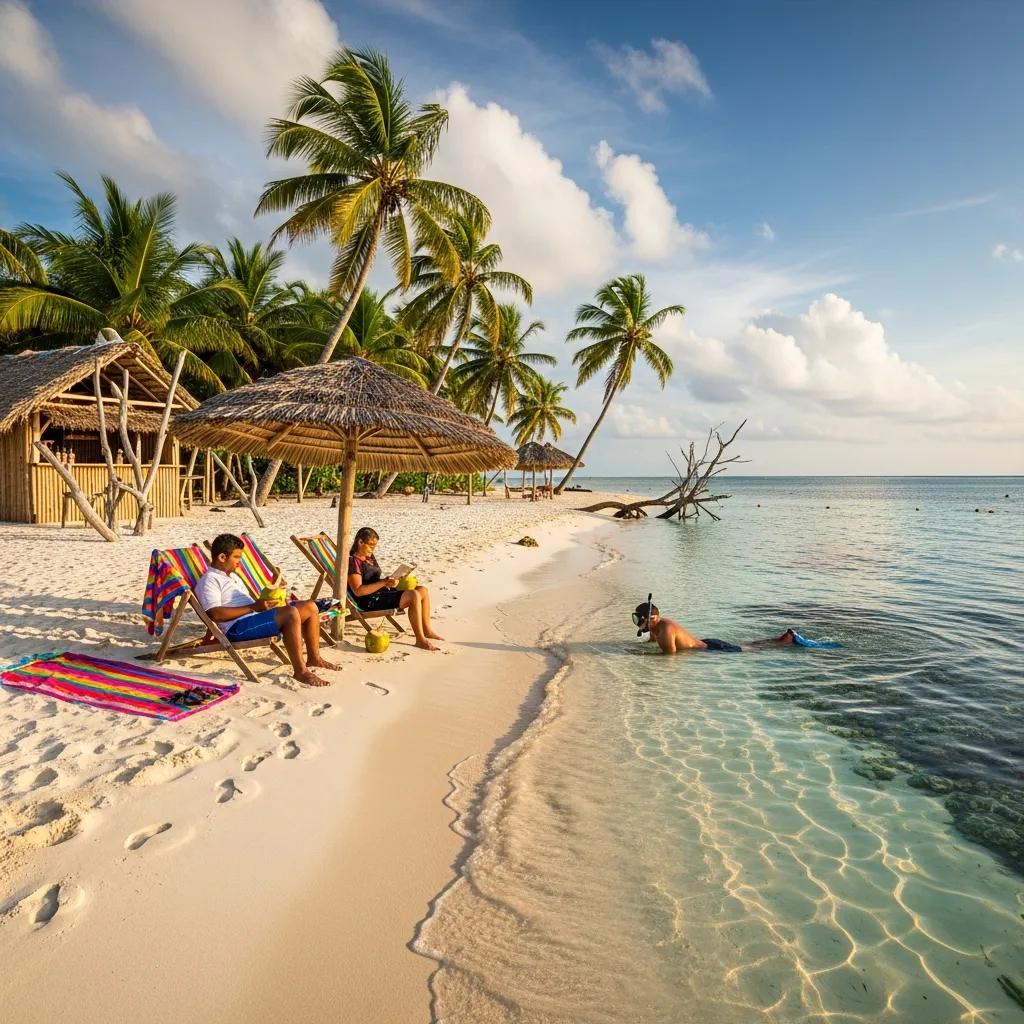
Hidden affordable island getaways are lesser-known islands or coastal isles that deliver authentic tropical experiences at a fraction of the price of mainstream resorts. You can enjoy white-sand beaches, snorkeling, local markets, and island culture without the high cost of peak-season resorts—this guide shows practical routes, timing, and pocket-friendly tactics to make that happen. Many travelers assume island travel must be expensive, but by using seasonal timing, budget carriers, and local accommodation types like guesthouses and hostels, you can cut major costs while preserving quality experiences. This article explains which islands consistently offer low daily costs, how to find genuinely hidden cheap island options, and step-by-step planning hacks for flights, lodging, and local transport. We also compare regions for 2026 trends, list free and low-cost activities, and provide a simple itinerary builder tailored to families and digital nomads. Throughout, you’ll find actionable lists, three quick comparison tables, and transit-ready tips so you can identify and book a budget island vacation with confidence.
What Are the Cheapest Islands to Visit for Affordable Island Vacations?
Cheap island vacations are islands where low accommodation costs, affordable local food, and simple transport networks combine to lower daily budgets. These islands are affordable because they usually have fewer luxury resorts, rely on local economies, and feature ferry access or budget flights rather than expensive private transfers. Below is a quick list-style answer to highlight five of the cheapest islands to consider and the one-line reason each tends to be affordable.
- Hawaii: Islands like the Big Island and Kauai offer affordable guesthouses and public beaches, with local markets providing budget meal options.
- Mexico: Islands such as Isla Holbox and Cozumel feature inexpensive hostels, street food, and ferry access, making them excellent budget choices.
- Caribbean: Islands like Grand Turk, Puerto Rico, Dominica, and Saint Lucia offer affordable guesthouses and local eateries, with ferry and budget flight connections supporting low-cost travel.
- Italy: Islands like Sicily and Sardinia provide budget-friendly pensions and local markets, especially outside the high summer season.
These choices reflect islands where accommodation typologies and transport options function as meronyms of affordability—guesthouses, ferries, and street food directly contribute to lower overall costs. Understanding why these islands are cheap leads naturally to detailed island snapshots and methods for spotting hidden low-cost options.
Which Tropical Islands Offer the Best Budget-Friendly Destinations?
This subsection catalogs specific tropical islands that routinely deliver strong value through low daily costs, simple access, and local economies oriented toward budget travelers. Hawaii’s Big Island and Kauai offer affordable guesthouses and public beaches, with local markets providing budget meal options. Mexico’s Isla Holbox and Cozumel feature inexpensive hostels, street food, and ferry access. Caribbean islands such as Grand Turk, Puerto Rico, Dominica, and Saint Lucia provide value through affordable guesthouses, local eateries, and ferry or budget flight connections. Italian islands like Sicily and Sardinia offer budget-friendly pensions and local markets, especially outside the high summer season. Each island below includes a one-line budget tip to help you economize immediately.
- Hawaii: Travel during shoulder seasons and use public transport to reduce costs.
- Mexico: Avoid peak holiday periods for better deals and choose hostels or street food vendors.
- Caribbean: Use ferry services and book guesthouses away from all-inclusive resorts to save money.
- Italy: Travel outside the high summer season and use public ferries and buses for transport savings.
These island snapshots show that price drivers are often local infrastructure and tourism mix, which points directly to the next question: how to identify other hidden cheap island getaways.
How to Identify Hidden Cheap Island Getaways for Low-Cost Travel
Finding hidden cheap islands requires data signals and on-the-ground indicators that reveal value before you book. Start by scanning flight-aggregator price trends and Google Trends for low search volume spikes—low search interest often correlates with fewer luxury developments and lower rates. Look for islands with a high proportion of meronym elements like hostels, guesthouses, and local ferries rather than luxury resorts or private transfers, which signals consistent affordability. Validate options by checking local tourism boards, community accommodation listings, and regional low-cost carrier routes to confirm practical access. These discovery methods let you compile a shortlist of islands where limited luxury infrastructure and good ferry or budget-air connections deliver the best odds for low-cost tropical vacations.
How to Plan Your Budget-Friendly Island Vacation: Essential Travel Tips and Hacks
Planning a budget island trip combines timing, transport choices, and smart lodging selection to shrink your per-day cost while preserving experience quality. The core mechanism is aligning shoulder-season travel windows with flexible flight searches and multi-leg itineraries to exploit price dips. Start with a clear expense breakdown and actionable hacks to reduce each category, from flights through meals and local transport. Below is a concise expense table showing typical ranges and money-saving tactics to apply when planning.
Different expense categories contribute to total trip cost, and each can be reduced with practical strategies.
| Expense Type | Typical Cost Range (per day) | Money-saving Tip |
|---|---|---|
| Flights (round-trip) | $150–$600 (varies by origin) | Use flexible dates and nearby airports; set price alerts |
| Lodging | $15–$120 | Prioritize guesthouses or hostels and book weekly stays for discounts |
| Food | $5–$40 | Eat at markets and choose set-menu local restaurants |
| Local Transport | $2–$30 | Use ferries, shared shuttles, and public buses instead of taxis |
This table helps you prioritize hacks that yield the largest savings, and the next section breaks flight and lodging strategies into stepwise actions optimized for island routes.
What Are the Best Strategies for Finding Cheap Flights to Islands?
Cheap flights to islands hinge on flexibility and creative routing rather than single-price chasing. First, set fare alerts across multiple aggregators and allow flexible date windows to capture weekday departures and shoulder-season savings. Second, search nearby mainland airports or multi-city routes—sometimes flying into a major hub and taking a budget regional carrier or ferry yields the lowest total cost. Third, consider multi-leg itineraries and book separately for high-value segments (long-haul + local carrier) while ensuring adequate layover time. Use combination searches, watch for flash sales from low-cost carriers, and avoid booking the most popular weekend return dates to maintain low airfare. These steps form an ordered, repeatable process to reduce flight spend and lead directly to cheaper on-island budgets.
How to Choose Affordable Accommodation and Local Food on Islands
Choosing lodging and eating affordably on islands requires balancing location, amenities, and length of stay for cost efficiency. Opt for hostels, family-run guesthouses, or short-term apartment rentals with kitchen access if you plan longer stays; kitchens cut meal costs and enable market-driven savings. Evaluate safety and connectivity by checking recent guest reviews and the presence of essential meronyms—kitchen facilities, reliable local transport links, and secure storage. For food, prioritize street food, local markets, and set-menu restaurants at midday where portions and prices are friendlier. These choices reduce daily budgets and enhance local cultural immersion, which naturally transitions into regional comparisons for 2026 planning and trends.
After practical planning and cost breakdowns, some travelers may seek professional help or local services. The following brief, clearly signposted message reflects available service intent while remaining neutral:
Provide useful information about garage door services and products, build trust, and encourage potential customers to request a quote or schedule service.
Top Regions Featuring Hidden Affordable Island Getaways in 2026 and Beyond
Regional trends determine where budget island travel gives the most value in 2026, with Southeast Asia, parts of the Caribbean, some European Atlantic islands, and certain U.S. territories standing out. Regions with strong low-cost carrier networks, favorable exchange rates, and an abundance of small-scale accommodations typically deliver the best prices. Below is a quick comparison table showing representative islands and typical daily budgets to guide your selection for 2026 travel.
| Island | Typical Daily Budget | Example Low-Cost Value |
|---|---|---|
| Hawaii (U.S.) | $80–$150 | Guesthouses and public beaches with local markets |
| Mexico | $40–$90 | Hostels, street food, and ferry access |
| Caribbean | $60–$140 | Guesthouses, local eateries, and ferry or budget flights |
| Italy | $70–$130 | Budget pensions and public ferries |
This table clarifies how regional cost structures and infrastructure map to daily budgets, which helps when narrowing choices by travel window and interest.
Which Caribbean Islands Are Most Affordable and Less Touristed?
Several Caribbean islands combine lower tourist density with budget accommodation and simple ferry or budget-flight connections. Look for islands where tourism is local-business–driven rather than dominated by all-inclusive resorts; these islands often have cheaper guesthouses, local eateries, and community tours. Examples include smaller isles with inter-island ferries and limited luxury development—options where local transportation and market-based food make daily budgets manageable. Travel during shoulder months and use public ferries to reach less touristed spots cheaply. These regional insights guide the choice of island by balancing accessibility and daily cost, leading next into Southeast Asian and European picks.
What Budget-Friendly Islands in Southeast Asia and Europe Should You Explore?
Southeast Asia remains the classic value leader due to extensive backpacker infrastructure, low-cost carriers, and abundant budget lodging; islands like Koh Phi Phi and Gili Trawangan exemplify this. In Europe, Atlantic islands such as Madeira or Greek islands like Naxos deliver value in shoulder seasons where ferry vouchers and pensions replace pricier summer rentals. Choose months outside major festivals, prioritize islands with good public transport, and look for long-stay discounts if you plan extended visits. These affordability drivers—low transport cost, market food, and simple lodgings—translate directly into sustainable budget travel choices for 2026 and beyond.
What Budget-Friendly Islands in Hawaii, Mexico, Italy, and the Caribbean Should You Explore?
In addition to the previously mentioned regions, consider these budget-friendly island options:
- Hawaii: Islands like the Big Island and Kauai offer affordable guesthouses and public beaches, with local markets providing budget meal options. Traveling during shoulder seasons and using public transport can reduce costs.
- Mexico: Islands such as Isla Holbox and Cozumel feature inexpensive hostels, street food, and ferry access, making them excellent budget choices. Avoid peak holiday periods for better deals.
- Italy: Islands like Sicily and Sardinia provide budget-friendly pensions and local markets, especially outside the high summer season. Public ferries and buses help keep transport costs low.
- Caribbean: Beyond Grand Turk and Puerto Rico, islands like Dominica and Saint Lucia offer affordable guesthouses and local eateries, with ferry and budget flight connections supporting low-cost travel.
These destinations combine cultural richness with budget-conscious infrastructure, making them ideal for travelers seeking affordable island vacations in diverse settings.
What Activities and Attractions Can You Enjoy on a Budget at Affordable Island Destinations?
Low-cost island activities deliver high experiential value because natural attractions and community experiences often cost little or nothing. Free and low-cost activities commonly include beach days, self-guided hikes, snorkeling from shore, and visits to local markets. The following table lists common budget activities, their typical cost, and example locations or providers to help you plan high-value low-cost days.
| Activity | Cost | Example Location or Provider |
|---|---|---|
| Beach days | Free | Public beaches in Hawaii, Caribbean coves, Italian coastal areas |
| Self-guided hikes | Free–$5 | Trail networks on Hawaii’s Big Island and Sardinia (local map fee) |
| Shore snorkeling | Free–$10 | Rental shops on Cozumel and Caribbean islands |
| Local markets | Free–$15 | Food markets in Puerto Rico, Mexico, and Sicily |
| Community tours | $10–$30 | Local guides offering village walks or fishing trips in Caribbean and Italy |
This breakdown shows that many islands offer abundant no-cost or low-cost experiences that make island travel affordable without sacrificing quality.Which Free or Low-Cost Activities Are Popular on Budget Islands?
Free and low-cost activities form the backbone of budget island itineraries because they leverage natural and cultural capital rather than paid attractions. Popular options include long beach days, watching sunrise or sunset points, exploring local markets, and DIY snorkeling from public shores—each activity requires minimal expense yet high time investment and local engagement. Timing is important: early mornings avoid crowds and sometimes offer free community-led walks or beach cleanups that double as sustainable experiences. For modest fees, small local operators provide affordable guided hikes or boat trips, which often include equipment and local knowledge at prices far below commercial tourist operators. These activities demonstrate how sustainable choices and local providers create budget advantages and lead naturally into a discussion of responsible tourism.
How Does Sustainable and Responsible Tourism Enhance Budget Island Travel?

Sustainable tourism choices—such as staying in community-run guesthouses, supporting local markets, and joining conservation-led tours—reduce costs while improving local impact. Community lodgings often offer lower nightly rates because profits stay local and overhead is minimal, and conservation volunteer opportunities can provide reduced-cost or subsidized stays in exchange for participation. Select operators with transparent, community-focused models to avoid greenwashing and ensure benefits reach residents. Responsible choices typically enhance your experience through authentic cultural exchange and lower per-day spend, reinforcing why sustainability and budget travel are closely aligned and actionable for savvy island travelers.
How to Create a Personalized Itinerary for Your Hidden Affordable Island Getaway
A personalized itinerary balances travel goals, budget tier, and the island’s semantic profile—activities, transport, and accommodation types—to produce a realistic day-by-day plan. Start by defining your budget tier (frugal, moderate, comfort), then allocate days for transit, slow exploration, and one paid experience like a guided snorkel or cultural workshop. Build flexibility into transport legs to accommodate local ferry schedules and unpredictable weather; this lowers stress and avoids expensive last-minute private transfers. Use a simple template that assigns morning free activities, midday market meals, and afternoon optional paid tours, and scale lodging choices by length of stay to capture weekly discounts. This structured approach helps you craft itineraries that suit families, digital nomads, or independent explorers while keeping costs predictable.
What Are the Must-Know Tips for Off-Season and Shoulder Season Travel Savings?
Off-season and shoulder-season travel deliver the largest savings but require careful logistics planning to avoid service gaps. Define shoulder season as the months immediately before or after peak travel; prices typically fall while most services remain operational. Before booking, confirm ferry frequency, seasonal restaurant closures, and local clinic availability to reduce risk. Pack contingency days into your itinerary to handle occasional transport cancellations without incurring steep rebooking fees. These tactics let you maximize savings while maintaining a reliable travel experience, which feeds directly into audience-specific itinerary customizations.
How Can Digital Nomads and Families Benefit from Budget Island Vacations?
Digital nomads and families can both extract exceptional value from longer stays and self-catering options that reduce per-day costs while increasing comfort. Digital nomads should prioritize stable Wi-Fi, coworking spaces, and kitchen-equipped rentals to combine productivity with low living costs; extended stays often unlock local rental discounts. Families should look for apartment-style rentals or family-run guesthouses with kitchen facilities and safe outdoor space, allowing meal prep and reduced dining expenses. Both groups benefit from planning around off-peak weeks and negotiating weekly or monthly rates that substantially lower the effective daily budget. These practical choices enable longer, richer stays that stretch travel budgets and deliver meaningful local experiences.
Conclusion: Embrace 2026 for Your Budget-Friendly Island Adventure
As 2026 unfolds, the opportunity to explore hidden affordable island getaways has never been more accessible or rewarding. By leveraging updated regional trends, flexible travel strategies, and sustainable tourism practices outlined in this guide, you can craft memorable tropical vacations that respect your budget without compromising experience quality. Whether you seek the vibrant street markets of Mexico, the serene beaches of Hawaii, the cultural richness of Italian isles, or the diverse charm of Caribbean destinations, the keys to affordable island travel remain consistent: smart planning, local engagement, and off-peak timing. Use the insights and tools provided here to confidently book your next island escape, knowing you’re making choices that benefit both your wallet and the communities you visit. Start planning today and make 2026 the year of your ultimate budget-friendly tropical adventure.