

Top Features of Luxury Tropical Resorts Compared: Your Ultimate Guide to Exclusive Amenities and Experiences
Luxury tropical resorts combine exceptional service, elevated amenities, and immersive location-driven experiences to create stays that feel both effortless and singular. This guide compares the core features that distinguish top-tier properties—accommodation types, gourmet dining, wellness offerings, exclusive activities, and the interplay of service excellence with sustainability—so you can match a resort’s strengths to your travel goals. Many travelers struggle to translate marketing language into real differences between overwater bungalows, private pool villas, and beachfront suites; this article breaks down those choices with clear comparisons and practical guidance. You will learn which amenities matter most for privacy, which dining formats deliver the most memorable culinary experiences, how spa and wellness programs actually rejuvenate guests, and which activities define luxury tropical travel across regions like the Caribbean, Maldives, and Bora Bora. Read on for side-by-side tables, targeted lists, and actionable insights to help you choose the ideal luxury tropical resort for honeymooners, families, wellness seekers, and discerning culinary travelers.
Comparing Luxury Tropical Resorts: Amenities and Experiences
A luxury tropical resort is a high-end hospitality property located in a tropical setting that combines premium accommodation, curated experiences, and attentive service to deliver an elevated, place-based stay. This definition works because luxury resorts integrate tangible amenities—private plunge pools, full-service spas, and gourmet restaurants—with intangible benefits such as exclusivity, personalized service, and seamless logistics that reduce guest effort. The result is sustained comfort and memorable experiences that justify a premium price and often target specific traveler profiles like honeymooners or wellness guests. Understanding these defining characteristics clarifies what to prioritize when comparing properties, from amenity stacks to on-property programming and ecological stewardship. Below is a concise list of the core features that most reliably indicate a true luxury tropical resort.
Which core features indicate a luxury tropical resort:
- High-end amenities such as private plunge pools and full-service spas that prioritize privacy and experiential design.
- Exceptional service and personalization, including butler service and concierge-led bespoke itineraries.
- Prime tropical setting and exclusivity, often with private beaches, reef access, or private-island positioning.
- Experience-driven offerings that emphasize wellness programming, cultural immersion, and curated excursions.
- Sustainable operations and conservation efforts that align luxury travel with responsible stewardship.
These five elements form the baseline for comparing properties and preparing to evaluate specifics such as accommodation layouts or dining programs, which the next section explores in more detail.
Which Amenities Set Luxury Tropical Resorts Apart?
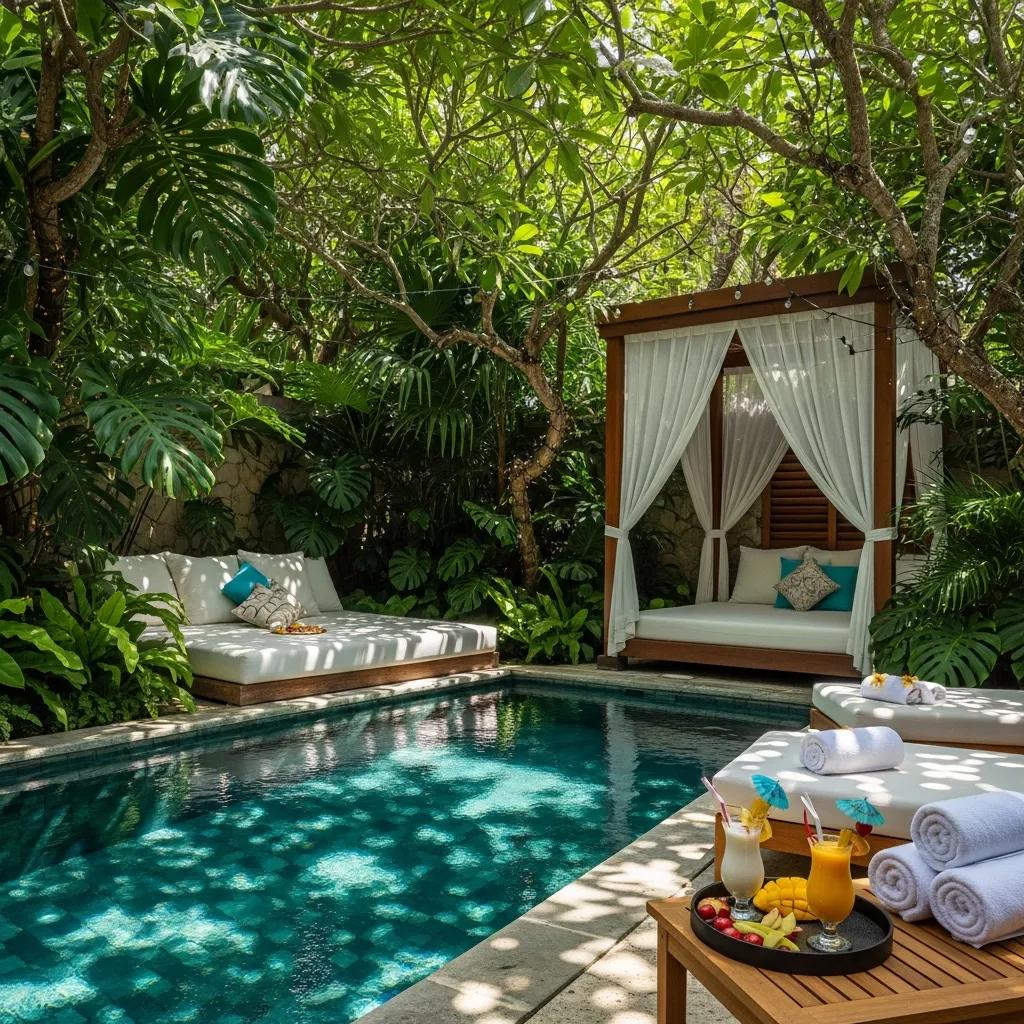
Luxury resort amenities go beyond decorative luxury and focus on private, experience-oriented features that shape the guest day from arrival to departure. Standout amenities include private pools or plunge pools within villas, direct water access via overwater platforms, in-residence spa treatments, and curated butler and concierge services that anticipate guest needs. High-end fitness centers, hydrotherapy circuits, and tailored wellness programs further distinguish properties that prioritize health and longevity of stay. These amenities function together: private pools provide seclusion for families and honeymooners, while butler service enables truly hands-free leisure, and spa facilities convert routine relaxation into a transformative experience. Understanding how amenities interlock makes it easier to weigh which additions matter most for your priorities when comparing resorts.
How Do Location and Setting Influence Luxury Resort Experiences?
Location fundamentally shapes the type of luxury experience a resort can offer by determining the surrounding ecosystem, transfer logistics, and cultural context available to guests. Caribbean resorts often emphasize broad sandy beaches, accessible island-hopping excursions, and proximity to local culture, whereas Maldives and Bora Bora properties prioritize seclusion, lagoon snorkeling, and overwater living that foreground marine life and visual isolation. Accessibility—flight times, seaplane transfers, or private yacht arrival—also influences perceived exclusivity and the value proposition of a resort. Finally, the local ecosystem dictates signature experiences: reef-based snorkeling in the Maldives, mountainous coastal vistas in some Caribbean islands, or motu-style privacy in Polynesia. These geographic differences directly affect guest expectations and should guide accommodation and activity choices when comparing luxury tropical resorts.
How Do Accommodation Types Compare in Luxury Tropical Resorts?
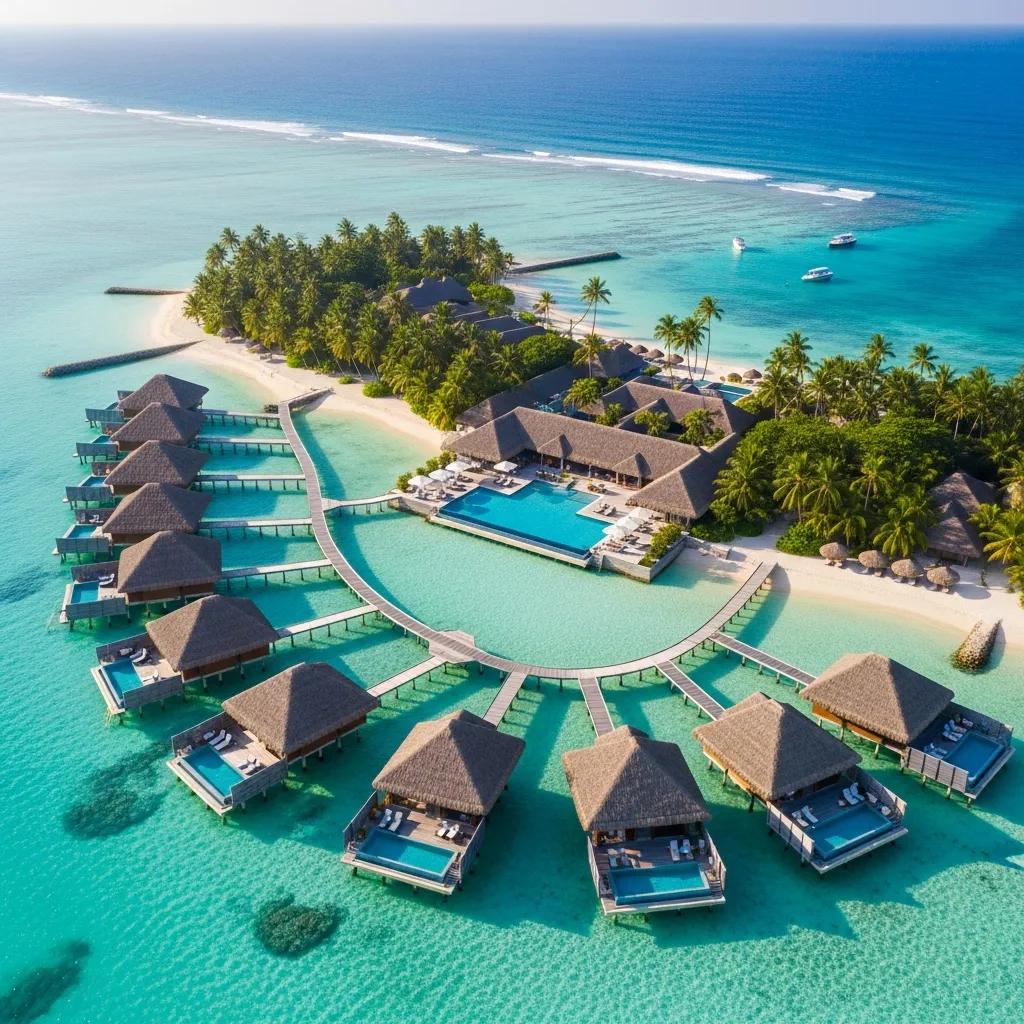
Accommodation type is one of the clearest differentiators among luxury tropical resorts because layout, privacy, and connectivity to nature vary dramatically between overwater bungalows, private pool villas, and beachfront suites. Each accommodation type serves distinct traveler needs: overwater bungalows emphasize direct marine access and vistas, private pool villas prioritize space and family-oriented privacy, and beachfront suites deliver immediate sand-and-sea access with larger indoor living areas. Choosing among these hyponyms of luxury accommodation depends on who is traveling, how much privacy is needed, and which indoor-outdoor design elements are most appealing. The table below summarizes typical attributes for each accommodation type to aid direct comparison and quick decision-making.
Intro to accommodation comparison table: This table compares common accommodation categories across typical metrics such as floor size, privacy level, private pool presence, indoor-outdoor features, and average price band. Use it to quickly align accommodation types with travel priorities like honeymoon privacy, family space requirements, or shallow-water snorkeling access.
| Accommodation Type | Attribute | Typical Value |
|---|---|---|
| Overwater Bungalow | Floor size | 400–1,000 sq ft with expansive decks |
| Overwater Bungalow | Privacy level | High; separated walkways and spaced platforms |
| Overwater Bungalow | Private pool | Sometimes; small plunge pools on deck |
| Private Pool Villa | Floor size | 800–3,000+ sq ft with multiple bedrooms |
| Private Pool Villa | Privacy level | Very high; gated access and private gardens |
| Private Pool Villa | Private pool | Yes; pools range 10–40 ft with outdoor living |
| Beachfront Suite | Floor size | 600–1,500 sq ft with direct beach access |
| Beachfront Suite | Privacy level | Moderate to high depending on layout |
| Beachfront Suite | Private pool | Occasionally; larger suites may include plunge pools |
| Typical Price Band | Value | Mid to ultra-luxury depending on destination and season |
This comparison clarifies that overwater bungalows and private pool villas differ most in spatial scale and access (sea vs. garden/pool), while beachfront suites sit between them, often offering immediate beach access with more interior living space.
What Are the Unique Features of Overwater Bungalows, Private Pool Villas, and Beachfront Suites?
Overwater bungalows provide direct water access, elevated vantage points for uninterrupted ocean views, and a strong indoor-outdoor living feel that centers marine life. Private pool villas emphasize scale and seclusion with multiple bedrooms, private pools, and enclosed outdoor spaces ideal for families or extended stays. Beachfront suites offer immediate beach access and often larger interior living areas suited to guests who want sand steps from their terrace while retaining hotel-style service. Each accommodation type’s meronyms—private plunge pool, butler service, gourmet minibar—contribute to the overall guest experience and should be weighed against travel goals like romance, family time, or adventure. Deciding between these formats is a trade-off among intimacy, space, and access to marine environments.
How Do Space, Privacy, and Design Vary Across Accommodation Types?
Space and design philosophies vary substantially: private pool villas lean toward sprawling layouts and separate wings, overwater bungalows maximize connection to the sea with expansive decks and glass floor panels, and beachfront suites focus on seamless indoor-outdoor transitions with sliding walls and covered patios. Privacy mechanisms differ as well—villas often offer gated gardens and private driveways, while overwater units rely on distance between platforms and dedicated staff protocols. Design trends favor local materials and vernacular architecture that root each accommodation in place, using timber, stone, and woven textures to blend luxury with regional character. Understanding these distinctions helps travelers choose accommodations aligned with priorities such as unobstructed sea views, family-friendly circulation, or immersive local design language.
What Gourmet Dining Experiences Elevate Luxury Tropical Resorts?
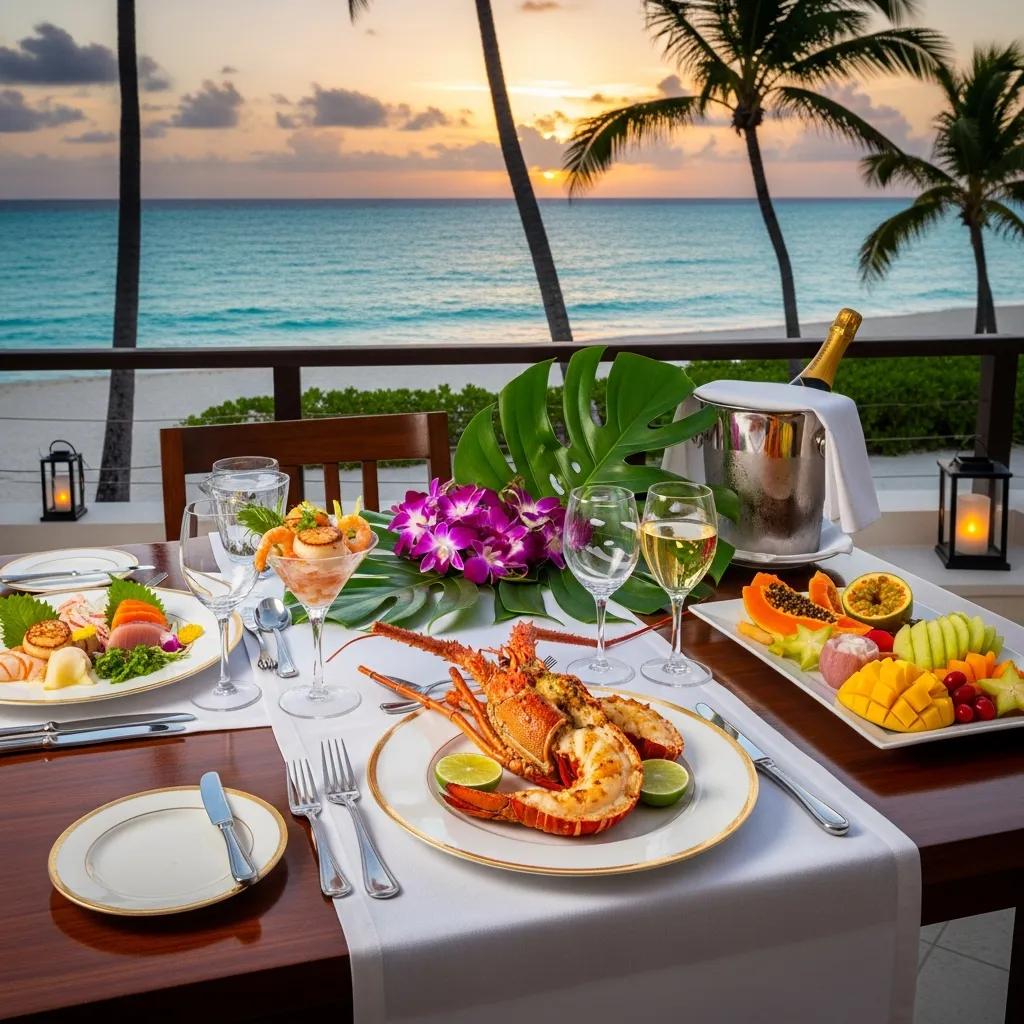
Gourmet dining is a core pillar of luxury tropical resorts because culinary programming transforms vacation time into memorable sensory experiences that reflect place and season. Top resorts curate multiple dining concepts—from open-air seafood pavilions to chef-driven tasting rooms—and often host visiting chefs or collaborate with regional producers to create menus that anchor the property in its local context. The contrast between casual, ingredient-driven farm-to-table restaurants and formal Michelin-style tasting experiences is meaningful: one emphasizes provenance and relaxed enjoyment while the other prioritizes multi-course narrative and technical precision. Evaluating culinary offerings involves assessing variety, sourcing transparency, private dining options, and beverage curation to determine which resort best supports your gastronomic expectations. Below are common dining concepts found at leading properties that help pinpoint a resort’s culinary identity.
Dining concepts typically found at luxury tropical resorts:
- Farm-to-table beachfront restaurants that highlight local seafood and seasonal produce.
- Chef-driven fine dining or tasting menus offering formal, multi-course experiences.
- Casual poolside and grill options focused on fresh, regional flavors.
These dining concepts appear in different combinations depending on resort positioning, and the best properties balance accessible beachside options with destination-worthy, reservation-only culinary events.
How Do Farm-to-Table and Michelin-Starred Options Differ?
Farm-to-table restaurants emphasize local sourcing, seasonal menus, and rustic-to-refined presentations that connect guests to the destination’s foodways, often featuring regional fish, tropical fruits, and community producers. Michelin-starred or chef-driven tasting rooms, by contrast, focus on technical excellence, curated multi-course narratives, and often higher service formality with sommelier pairings and precise pacing. The guest experience differs: farm-to-table dining feels relaxed and place-forward, while Michelin-level dining is intentionally theatrical and sequence-driven. Pricing and booking requirements usually reflect this divide, with tasting menus requiring reservations and sometimes formal dress, whereas farm-to-table venues accept walk-ins and encourage casual seaside enjoyment. When comparing resorts, consider whether you prefer iterative, place-based meals or elevated culinary theater.
What Exclusive Private Dining and Beverage Programs Are Offered?
Private dining formats at luxury tropical resorts turn ordinary meals into bespoke events—examples include sunset beach dinners, in-villa chef’s table experiences, and secluded reef-side picnics with curated wine pairings. Beverage programs often include specialist sommeliers, signature cocktail programs that highlight local spirits, and reserve cellars that enable rare-pairing experiences for enthusiasts. These programs create high-value moments that are frequently used in celebrations and milestone travel because they combine exclusivity with sensory staging. Resorts that invest in bespoke beverage programming and private dining logistics demonstrate an ability to deliver highly personalized experiences, which becomes an important selection criterion for guests seeking tailored culinary memories.
How Do Wellness and Spa Features Enhance Guest Rejuvenation?
Wellness and spa offerings in luxury tropical resorts extend beyond massage menus to structured programs that combine holistic treatments, movement classes, nutrition consultations, and nature-based practices that leverage the surrounding environment. High-performing wellness resorts provide measurable programming—multi-day retreats, individualized wellness plans, and specialist practitioners—to deliver outcomes like stress reduction, improved sleep, and restored energy. Spa infrastructure ranges from boutique treatment rooms to fully integrated wellness centers with hydrotherapy circuits, recovery studios, and movement spaces that support both casual treatments and immersive retreats. These offerings operate as both productized services (signature massages and facials) and transformational programs, so understanding a resort’s wellness architecture clarifies whether it suits a weekend reset or a deeper retreat-focused stay.
Intro to spa comparison table: The following table compares typical spa and wellness offerings across common resort formats, highlighting treatment types, hydrotherapy presence, program structure, specialist availability, and session duration norms. Use it to determine what level of wellness support a property provides.
| Spa Offering | Attribute | Typical Feature |
|---|---|---|
| Day Spa | Treatments | Massages, facials, body scrubs with local ingredients |
| Hydrotherapy Circuit | Presence | Cold plunge, whirlpool, thermal suite at larger centers |
| Wellness Program | Structure | Multi-day retreats with assessment and follow-up |
| Specialist Practitioners | Availability | Resident therapists, guest specialists, yoga instructors |
| Session Duration | Norm | 60–120 minutes depending on treatment type |
This comparison shows that resorts with integrated wellness centers—rather than standalone day spas—are better equipped for multi-day health-focused programming that produces sustained benefits.
What Holistic Treatments and Yoga Programs Are Available?
Holistic resort treatments commonly integrate local ingredients—sea-salt scrubs, tropical fruit-based wraps, and aromatherapy blends—with modalities like Ayurveda, Thai massage, and Lomi Lomi to provide culturally resonant therapies. Yoga and meditation programs range from daily drop-in classes to sunrise or reef-view sessions and structured multi-day yoga retreats with teacher-led progressions. These programs emphasize breath, mobility, and ecological connection; for example, reef-view yoga uses visual and environmental cues to deepen mindfulness practices. Resorts offering both individualized wellness consultations and structured class schedules enable guests to build coherent daily regimens rather than just booking one-off treatments, which greatly enhances the potential for meaningful rejuvenation during a stay.
How Do Spa Facilities and Fitness Centers Compare?
Spa facilities vary from compact treatment-only rooms to expansive wellness centers that include hydrotherapy circuits, recovery tech, and movement studios; fitness centers similarly range from basic cardio-and-strength spaces to programming with personal trainers, group classes, and outdoor activity integration. Integrated wellness centers typically include on-site nutritionists and recovery services like cryotherapy or infrared saunas, providing a holistic continuum of care. Facilities that connect fitness offerings to outdoor programming—guided hikes, paddleboard fitness, or reef-based workouts—create unique experiential benefits that align with tropical environments. When comparing resorts, evaluate not only equipment lists but whether the fitness and spa teams coordinate personalized programming for measurable outcomes across a stay.
Which Exclusive Activities and Experiences Are Offered at Top Tropical Resorts?
Top tropical resorts program a mix of active water sports, curated excursions, and bespoke experiences that leverage their natural setting and service model to create unrepeatable memories. Signature activities include guided reef snorkels, private yacht charters, culinary tours with resident chefs, on-site golf or access to championship courses, and cultural excursions led by local experts. These experiences differentiate resorts by offering either adventure-driven itineraries or slow, immersive cultural moments, and the best properties can do both while tailoring pacing to guest preferences. The following list highlights the most sought-after experiences that consistently elevate the perceived value of luxury tropical stays and help guests decide which resort capabilities align with their ideal itinerary.
Common exclusive experiences at luxury tropical resorts:
- Water-based adventures: guided snorkeling, scuba diving, and paddle sports with marine education components.
- Private charters and excursions: bespoke yacht or boat itineraries for sunset cruises, fishing, or secluded island visits.
- Cultural immersion: curated local tours, craft workshops, and community-led food experiences.
- Special interest programming: golf access, conservation dives, and chef-led foraging or market visits.
What Water Sports, Golf, and Cultural Excursions Are Available?
Water-sport offerings typically include snorkeling and guided reef programs for varying skill levels, introductory and advanced scuba options with resident dive centers, and non-motorized activities like paddleboarding and kayaking that emphasize low-impact engagement with marine environments. Resorts with on-site or partnered golf access arrange tee times and transportation to nearby courses, ensuring seamless coordination for golf travelers. Cultural excursions are often led by local guides and feature visits to nearby villages, craft demonstrations, and culinary tastings that connect guests to place. The range and depth of these activities influence whether a resort is best suited to families, adventure travelers, or culture-focused guests, making activity menus a crucial comparison point.
How Do Private Yacht Charters and Kids' Clubs Enhance the Experience?
Private yacht charters expand a resort’s offerings by providing highly tailored itineraries—island-hopping, remote snorkeling, or sunset dining—while delivering onboard service and privacy; charters are often sold as half- or full-day options and can include custom catering and guided marine experiences. Kids’ clubs, in contrast, contribute family value by offering age-specific programming, safety-certified staff, and enrichment activities that let parents enjoy adult-focused experiences with confidence. High-quality kids’ clubs balance fun with learning—marine education, craft projects, and supervised beach play—and resorts that invest in both charter capabilities and robust kids’ programming deliver breadth that appeals to multigenerational travelers.
How Do Service Excellence and Sustainability Shape Luxury Tropical Resorts?
Service excellence and sustainability are increasingly inseparable in luxury tropical resorts, as discerning travelers expect high-touch personalization delivered in ways that respect local ecosystems and communities. Service models such as dedicated butlers, personalized concierge planning, and elevated staff-to-guest attentiveness materially reduce friction during a stay and enable highly customized experiences. Simultaneously, sustainability measures—eco-certifications, renewable energy adoption, marine conservation programs, and community partnerships—signal a resort’s commitment to responsibility and long-term placekeeping. The intersection of service and sustainability shapes guest choice because high service standards executed with ecological sensitivity reinforce trust and differentiate properties in a competitive luxury travel market. Below is a focused comparison of service models and sustainability credentials to illuminate typical practices.
Intro to service & sustainability table: This table aligns common service models with sustainability practices so readers can quickly see how butler and concierge offerings typically coexist with eco-initiatives at modern luxury resorts.
| Service or Sustainability Area | Attribute | Typical Practice |
|---|---|---|
| Butler Service | Scope | In-villa hosting, packing/unpacking, private dining setup |
| Personalized Concierge | Scope | Bespoke itineraries, reservations, and local access coordination |
| Staff-to-Guest Ratio | Attribute | Higher ratios for elevated personalization in ultra-luxury properties |
| Eco-certifications | Attribute | Voluntary certifications and sustainability audits where applicable |
| Renewable Energy Use | Attribute | Solar installations and energy-efficiency measures on property |
| Community Programs | Attribute | Local hiring, sourcing, and conservation partnerships |
This comparison shows that service excellence often requires operational investment that can be aligned with sustainability priorities to create resilient luxury offerings.
What Role Does Butler Service and Personalized Concierge Play?
Butler service and personalized concierge functions translate guest preferences into timely, anticipatory actions—packing and unpacking, in-villa dining arrangements, bespoke itineraries, and discreet on-call assistance—thus maximizing leisure time and minimizing planning friction. Butler service enhances privacy and convenience, while a proactive concierge curates experiences, secures reservations, and connects guests to trusted local partners. The measurable benefits include time savings, elevated personalization, and seamless delivery of complex logistics like private transfers or celebration setups. When service teams coordinate with sustainability initiatives—sourcing local products or advising low-impact excursions—guest experiences become both luxurious and responsible, reinforcing the resort’s holistic value proposition.
At this point, if you prefer assistance in assessing service options or obtaining tailored proposals for group or event planning at luxury tropical resorts, request a quote or schedule service to discuss personalized arrangements and responsive planning support.
How Are Eco-Friendly Practices and Conservation Efforts Implemented?
Eco-friendly practices in luxury resorts include water conservation programs, waste-reduction strategies, single-use plastic elimination, and investments in renewable energy to reduce carbon footprints. Conservation efforts often focus on marine protection—managed reef zones, coral restoration, and sustainable snorkeling practices—that directly preserve the ecosystems that underlie many resort experiences. Community engagement appears through local hiring, fair sourcing, and guest-facing cultural programs that support regional economies and cultural continuity. Resorts that integrate measurable sustainability actions with transparent reporting and guest education not only preserve destination assets but also appeal to travelers seeking ethical luxury that aligns service excellence with long-term stewardship.
Conclusion: Choosing Your Perfect Luxury Tropical Resort
Luxury tropical resorts offer a rich tapestry of amenities, experiences, and service excellence that cater to diverse traveler preferences—from romantic overwater bungalows to expansive private pool villas and culturally immersive regional offerings. By understanding the core features, accommodation types, dining experiences, wellness programs, exclusive activities, and the vital role of sustainability and personalized service, you can make informed decisions that align with your travel goals and values. Whether you seek a serene wellness retreat, a family-friendly adventure, or a culinary journey, the right luxury tropical resort awaits to deliver an unforgettable escape.
Plan Your Luxury Tropical Escape Today
Ready to experience the pinnacle of tropical luxury? Explore curated resort options, request personalized recommendations, or connect with us to craft your ideal getaway. Your dream vacation is just a click away.